

AI and automation have become a key part of how digital services work today. Businesses use them to save time, reduce manual work, and make customer experiences smoother.
In this article, we’ll look at how AI and automation are changing the digital service industry in 2026. You’ll see how these technologies are used in areas like marketing, IT support, design, and analytics. We’ll also share real examples, current trends, and what the future might look like for companies that use these tools to grow and improve their services.
What Are AI and Automation in Digital Services?
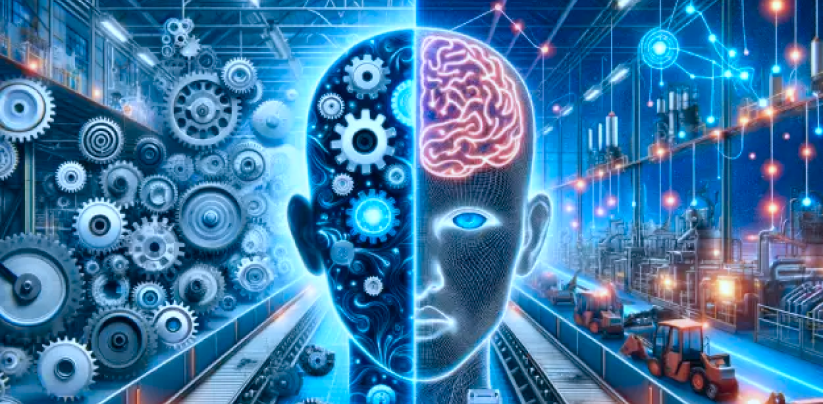
AI (Artificial Intelligence) and automation work side by side to make digital services smarter and faster. In simple terms, AI helps systems learn from data and make decisions, while automation takes care of repetitive tasks without human help. When used together, they allow businesses to manage work more smoothly and focus on creative or strategic areas instead of routine jobs.
AI is used in many ways, such as studying customer behavior, suggesting personalized content, predicting trends, or even designing websites automatically. Automation connects tools and software so that tasks like sending emails, organizing data, or replying to customer messages happen on their own.
When combined, AI and automation help companies reduce manual work, avoid mistakes, and complete tasks faster. In digital services, this results in smoother operations, better decision-making, and more satisfied customers.
Examples:
- A digital marketing agency uses AI tools to study campaign results, while automation sends out daily performance reports.
- A customer support team uses AI chatbots to answer simple questions, and automation passes more complex ones to human agents.
Why AI and Automation Matter in 2026?

AI and automation are becoming very important for businesses in 2026. As digital services grow, companies deal with more data, tighter deadlines, and higher customer expectations. AI and automation help businesses manage these challenges more smoothly.
Key Reasons They Matter
- Handling Large Amounts of Data: Digital services create huge amounts of data every day. AI can study this data quickly and spot patterns that people might miss. Automation can then use these insights in daily tasks right away.
- Reducing Manual Work: Tasks like scheduling, reporting, or answering routine questions take up a lot of time. Automation can take care of these tasks, so employees can spend time on creative and important work.
- Better Decision-Making: AI gives insights from data that help managers make smarter decisions. When combined with automation, these insights can be acted on quickly, speeding up processes.
- Meeting Customer Expectations: Customers want fast and accurate responses. AI chatbots, recommendation tools, and automated support systems make it possible to respond consistently and quickly.
- Saving Time and Costs: Using AI and automation can reduce mistakes, save time, and often lower costs. Companies can get more done with the same resources.
Key Stat: According to a report by Exploding Topics, 83% of companies say AI is one of the top priorities in their business plans. This shows how important AI and automation are becoming for businesses.
Real-World Applications of AI and Automation in Digital Services

AI and automation are being used across various digital services, helping companies work faster, reduce errors, and deliver better experiences. Here are some key applications:
Digital Marketing: AI tools analyze customer behavior, segment audiences, and suggest content. Automation can then send personalized emails, post on social media, or adjust ad campaigns automatically.
Example: Companies like HubSpot use AI-powered tools to recommend content and automate marketing campaigns.
Customer Support: AI chatbots handle common queries 24/7, while automation routes complex issues to human agents. This reduces response time and keeps customers satisfied.
Example: Zendesk integrates AI and automation for ticket routing and customer support workflows.
IT Services and Operations: AI monitors systems to detect anomalies and predict failures. Automation triggers alerts, runs maintenance scripts, or resolves minor issues without human intervention.
Example: ServiceNow uses AI-driven workflows to automate IT operations.
Design and Content Creation: AI can generate initial drafts of graphics, videos, or written content. Automation tools then schedule, format, and distribute these assets efficiently.
Example: Canva uses AI to suggest design elements and automate image resizing and formatting.
Analytics and Reporting: AI analyzes large datasets and finds trends. Automation ensures reports are generated and shared with stakeholders automatically, saving time and reducing errors.
Example: Google Looker uses AI-assisted insights and automated dashboards to turn raw data into clear visual reports. Teams can track metrics in real time and get smart suggestions for improving results.
As digital tools become smarter, companies are moving from simply automating tasks to using AI for prediction and planning. This helps teams make quicker decisions, create more personalized experiences, and stay ahead of customer needs. AI has become a key part of digital strategy instead of just a supporting tool.
Benefits of Using AI and Automation in Digital Services
AI and automation are helping businesses work smarter and faster by reducing repetitive work and improving accuracy. When used the right way, they can bring valuable benefits.
Better Productivity

AI takes care of data-heavy and time-consuming work like analysis, sorting, and tracking. This allows employees focus on creative or strategic tasks instead of routine work. For example, marketing teams can spend more time on campaign ideas while AI handles audience targeting and reports.
More Consistency

Automating digital tasks means less manual steps and low chances for human mistakes. Systems that follow the same process every time bring more consistency, whether it’s in sending updates, processing data, or generating reports.
Faster Response Time

Automation allows processes to happen instantly. Whether it’s replying to a customer, processing an order, or updating a record, the time saved can make a big difference to overall performance and customer satisfaction.
Cost Savings Over Time

While there’s an initial investment in setting up AI and automation tools, they help reduce long-term costs. Teams can do more with few resources and spend less time fixing errors or repeating tasks.
Smarter Decision-Making
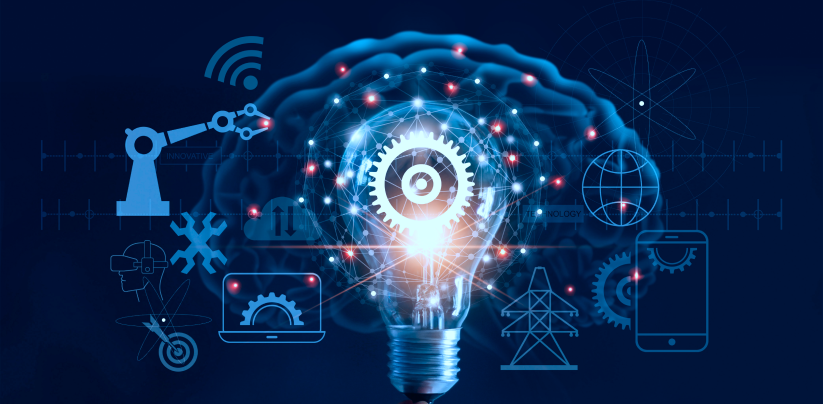
AI systems can quickly analyze large amounts of information and present useful insights. This helps leaders make better business decisions based on real data instead of guesswork.
Improved Customer Experience

AI helps companies understand customer behavior and preferences. Automated tools can then personalize messages, recommend products, or send timely updates, creating a smoother experience for users.
Better Use of Human Talent

Automation removes repetitive work, so teams can focus on tasks that need creativity, communication, or problem-solving. This keeps employees more engaged and improves job satisfaction.
Challenges and Considerations When Using AI and Automation
While AI and automation bring many advantages, they also come with challenges that businesses need to think through carefully. Understanding these early helps create realistic plans and avoid future issues.
Better Productivity
AI takes care of data-heavy and time-consuming work like analysis, sorting, and tracking. This allows employees focus on creative or strategic tasks instead of routine work. For example, marketing teams can spend more time on campaign ideas while AI handles audience targeting and reports.
Data Quality and Availability
AI systems rely on accurate and well-organized data. Poor or incomplete data can lead to wrong predictions and poor results. Businesses should make sure their data is clean, updated, and stored properly before building AI tools.
High Setup Costs
Setting up AI or automation systems can be costly at first. It often requires investment in software, cloud storage, and skilled people to manage the setup. Over time, though, these costs reduce as automation starts delivering results.
Skill Gaps and Training
Many teams are not yet fully ready to use AI and automation tools effectively. Employees may need time and training to learn how to use these systems. Investing in training can help teams feel confident and get the most out of new tools.
Data Security and Privacy
AI and automation depend on data, and handling that data safely is critical. Unauthorized access or misuse can harm a business’s reputation and customer trust. Security tools, access controls, and regular audits help protect data.
Over-Reliance on Automation
When everything runs automatically, teams might overlook issues that need human judgment. Automation should support people, not replace them. The right balance between human input and automated processes keeps operations smooth.
Integration with Existing Systems
Connecting AI tools with older software or systems can be tricky. Compatibility issues or data mismatches can slow down the process. Choosing flexible tools and testing integrations early can help avoid problems.
Ethical Use and Transparency
AI systems must be used fairly and responsibly. Companies should make sure decisions made by AI are transparent and explainable. Clear communication with customers about how their data is used helps build trust.
The Future of AI and Automation in Digital Services
The future for companies using AI and automation looks bright. These technologies will help businesses work smarter, save time, and serve customers better. Here’s what to expect:
More Personalized Customer Experiences
AI will help companies understand their customers and offer services that match their needs. Marketing, support, and recommendations will feel more personal and useful.
Complete Process Automation
Automation will handle more than just small tasks. Many business processes like order handling, reporting, and communication will run automatically, reducing mistakes and saving time.
Better Insights and Predictions
AI will analyze data to show trends, predict customer behavior, and identify problems before they happen. This will help businesses make smarter decisions.
Smooth Integration Across Tools
AI and automation will connect different apps and systems. Teams will be able to work together more easily, and operations will become smoother.
Learning and Improving Over Time
AI systems will keep learning from every action. The more they are used, the better they will become, helping companies improve continuously.
Companies that adopt AI and automation today will save time, reduce costs, and grow faster while providing better experiences for their customers.
Conclusion
AI and automation are changing how digital services work across every industry. They help businesses move faster, cut down manual work, and make smarter decisions based on data. If you’re planning to bring AI or automation into your business, it’s important to start small, choose the right tools, and train your team. A strong foundation today will help your business stay competitive tomorrow.
At Brevity Software Solutions, we help businesses build custom digital solutions that include AI, automation, and smart integrations. Need help automating your processes or building smarter digital tools? Book a free consultation call with our team today to explore how we can help your business scale with confidence!