
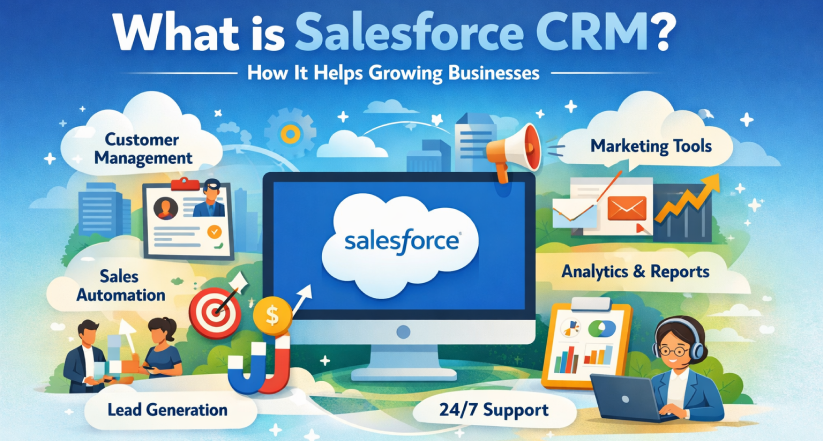
Growing a business means managing more customers, more conversations, and more data. Without the right system in place, things can quickly become messy. Leads get lost, follow-ups are delayed, and teams struggle to stay aligned.
This is where Salesforce CRM comes in.
In this article, we’ll explain what Salesforce CRM is and how it helps growing businesses manage customers, sales, and daily operations more effectively. By bringing sales, marketing, and customer support into one connected platform, Salesforce CRM gives businesses a clear, complete view of their customers.
Whether you are a startup or an expanding enterprise, Salesforce CRM supports growth in a practical and structured way.
What is Salesforce CRM?
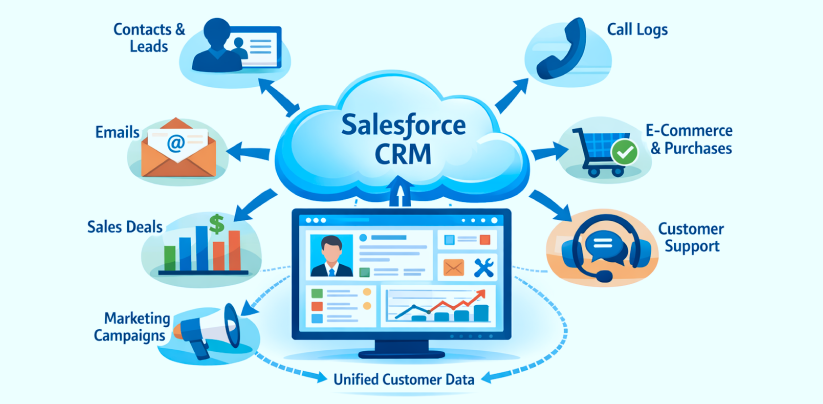
Salesforce CRM is a cloud-based customer relationship management platform. It helps businesses store customer details, track sales activity, manage marketing campaigns, and handle customer support from one place.
Instead of juggling spreadsheets, emails, and separate tools, Salesforce keeps everything in a single system. Teams can see a customer’s full history, including calls, emails, purchases, and service requests.
Why Growing Businesses Need a CRM?
As a business grows, managing customers becomes more complex. Sales teams handle a higher volume of leads and deals, marketing teams run multiple campaigns across different channels, and support teams deal with more customer requests than ever before. When everything is managed through spreadsheets, emails, or separate tools, important details start slipping through the cracks.
Without a CRM, growing businesses often struggle with missed follow-ups, limited visibility into sales progress, and teams working in isolation. Sales may not know which leads marketing has already engaged, support may lack context about past interactions, and leadership finds it difficult to track performance accurately.
A CRM like Salesforce brings structure and clarity by centralizing all customer data in one place. It helps teams stay aligned, track every interaction, and respond faster with the right context. As a result, businesses can build stronger relationships, close deals more efficiently, and deliver a more consistent experience as they scale.
Salesforce Adoption and Market Presence
Salesforce is one of the most widely used CRM platforms in the world. Around 90% of Fortune 500 companies use Salesforce in some way, which shows how much large and complex businesses trust the platform to manage their customer data and daily operations. [Source: Twin Strata]
Salesforce also holds about 21-22% of the global CRM market share, making it the world’s leading CRM solution. This position comes from its ability to support different industries and adapt as business needs change. [Source: Hosting Advice]
This high level of use shows that Salesforce isn’t only for big companies. It works just as well for growing businesses that want a system they won’t outgrow. Companies can start with basic features and add more tools over time. As the business grows, Salesforce grows with it, without the need to switch to a new platform.
How Salesforce CRM Works
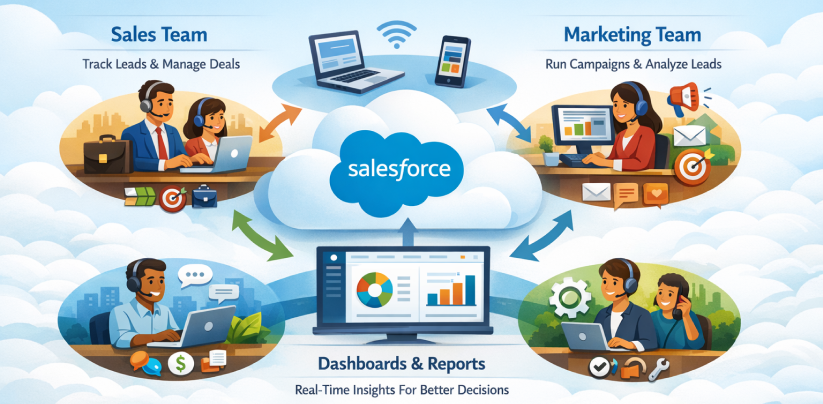
Salesforce runs on the cloud, which means users can access it from anywhere using the internet. There’s no need to install heavy software or be tied to one office location. Any updates made in Salesforce happen in real time, so every team always sees the same, upto-date information.
Sales teams use Salesforce to track leads, manage deals, and follow up with prospects at the right time. Marketing teams use it to run campaigns, track responses, and understand which efforts bring in the best leads. Support teams rely on Salesforce to manage customer cases, respond faster, and see a customer’s full history before helping them.
Managers and business owners can review dashboards and reports to see what’s working, what needs attention, and where the business is heading. This helps them make better decisions based on real data, not guesses.
Because sales, marketing, and support all work within the same system, collaboration improves naturally. Teams stay aligned, communication becomes easier, and customers receive a more consistent and connected experience across every interaction.
Key Features of Salesforce CRM
Contact and Account Management
Salesforce stores all customer details in one place, including contact information, past conversations, emails, calls, and related activities. This gives every team a complete view of each customer and removes the need to search through emails or spreadsheets.
Sales Pipeline Tracking
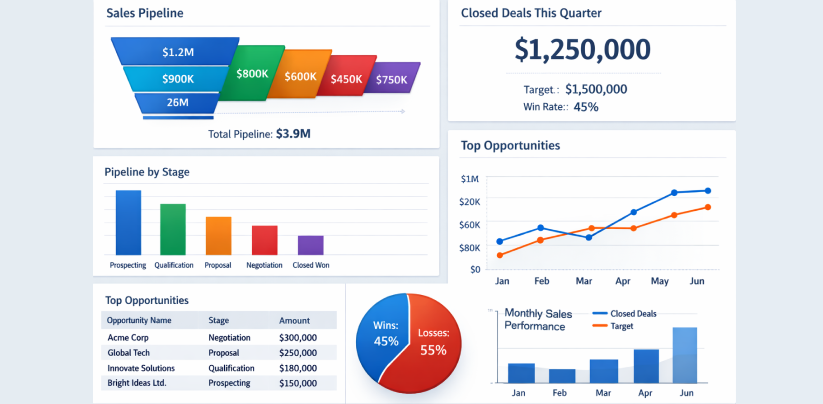
Salesforce shows exactly where each deal stands in the sales process. Sales teams can see which opportunities need attention, which deals are close to closing, and where followups are required. This helps teams focus on the right opportunities and improve conversion rates.
Task and Activity Management
Salesforce keeps track of daily tasks such as calls, emails, meetings, and reminders. It helps teams stay organized and ensures no follow-up is missed, even when workloads increase.
Reports and Dashboards
Salesforce provides easy-to-read reports and dashboards that show sales performance, lead status, and team activity. Managers can quickly understand progress, identify gaps, and make data-based decisions without manual reporting.
Automation
Salesforce automates repetitive tasks like lead assignment, follow-up reminders, and status updates. This saves time, reduces manual work, and allows teams to focus more on building relationships and closing deals.
How Salesforce Helps Sales Teams
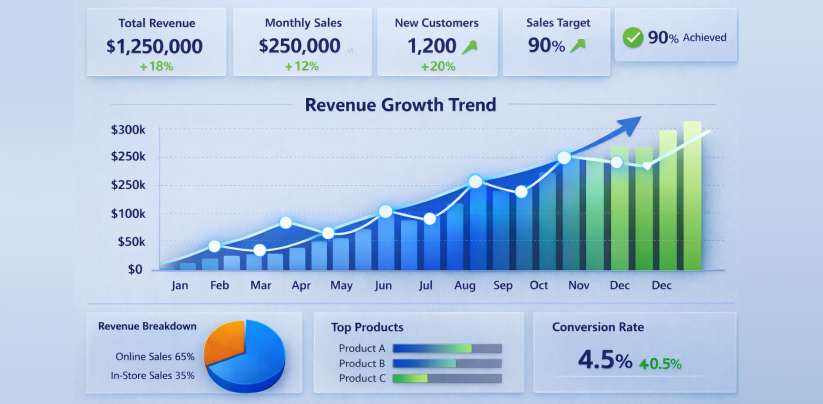
Sales teams often spend a lot of time on manual work like updating spreadsheets, searching for information, or remembering follow-ups. This takes focus away from what matters most: selling. Salesforce helps sales teams stay organized, save time, and focus on closing deals.
Businesses that use CRM systems report up to a 29% increase in sales revenue. [Source: Sci-Tech Today] This improvement mainly comes from better tracking of leads and opportunities, along with timely and consistent follow-ups. When sales teams have clear visibility into their pipeline, fewer opportunities are missed.
With Salesforce, sales reps can:
- View all lead and customer details in one place
- Track every call, email, and meeting
- Get automatic reminders for follow-ups
- Clearly see where each deal stands in the sales process
This makes it easier for reps to prioritize the right leads and take action at the right time.
Sales managers also benefit from Salesforce. They get real-time visibility into team performance, deal progress, and overall pipeline health through dashboards and reports. This helps them spot issues early, support their team better, and make more accurate sales forecasts.
Overall, Salesforce helps sales teams work smarter, stay focused, and consistently drive better results as the business grows.
How Salesforce Helps Marketing Teams
Marketing teams need to know what’s working and what’s not. Salesforce helps them track campaigns, understand customer behavior, and measure results in one place. Instead of guessing, teams can see real data behind every campaign.
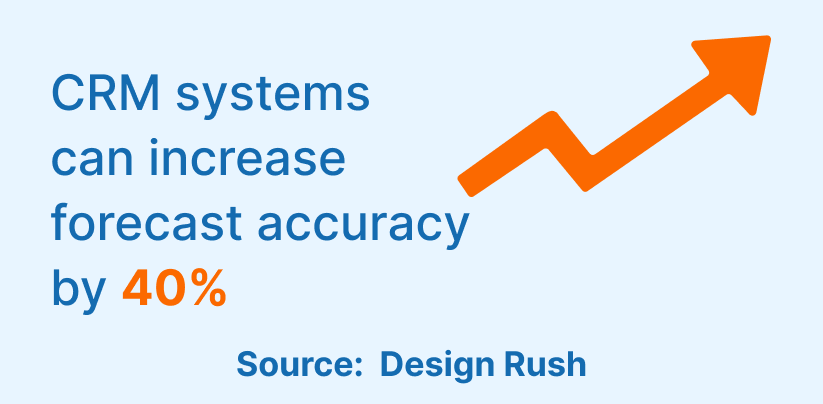
AI-driven CRM features help businesses automate tasks and improve forecasting, while mobile CRM access boosts sales rep success, with 65% of mobile CRM users hitting sales targets. [Source: Design Rush]
Using a CRM like Salesforce can improve the accuracy of sales forecasts by about 40-42%, providing business leaders a clear and more reliable view of their sales pipeline.
With Salesforce, marketing teams can:
- Segment audiences based on interests, behavior, or stage in the buying journey
- Track campaign performance across different channels
- See how leads move through the sales funnel from first contact to conversion
- Work more closely with sales by sharing lead information and feedback
When marketing and sales teams work from the same system, lead quality improves and follow-ups become faster. This alignment helps turn marketing efforts into real revenue and supports steady business growth.
How Salesforce Helps Customer Support
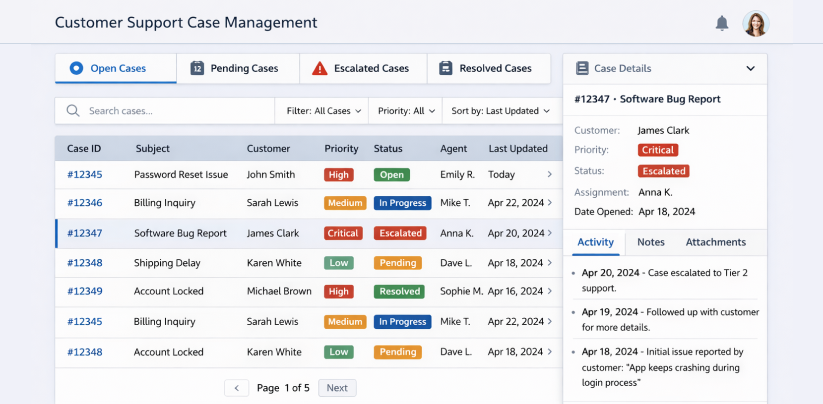
As businesses grow, delivering a great customer experience becomes more important than ever. Salesforce gives support teams a complete view of each customer, so they can respond quickly and effectively. Instead of searching through emails or asking customers to repeat information, support staff have all the context they need right at their fingertips.
CRM systems like Salesforce can boost lead conversion rates by up to 300%. By keeping customer data organized, teams can follow up at the right time and in the right way, turning more leads into customers. [Source: KeeVee]
With Salesforce, support teams can:
- View complete customer history – see past purchases, interactions, and support cases in one place.
- Track open and resolved cases – monitor which issues are still pending and which have been solved.
- Set priorities – focus on urgent cases first and manage workloads effectively.
- Work closely with sales and marketing – share insights about customer needs, feedback, and potential opportunities.
By connecting support with other teams, Salesforce helps businesses deliver faster, more consistent, and more personalized service. Happy customers are more likely to stay loyal, make repeat purchases, and even recommend the business to others.
Real Business Benefits
Growing businesses that use Salesforce CRM often experience noticeable improvements across their operations. Some of the key benefits include:
Better organized customer data
All customer information, from contact details to past interactions, is stored in one place. Teams no longer waste time searching through emails, spreadsheets, or different tools.
Improved team coordination
Sales, marketing, and support work on the same platform. Everyone sees the same information, which reduces miscommunication and ensures timely follow-ups.
Faster response times
With all data and tasks in one system, teams can act quickly on leads, inquiries, or support requests, keeping customers happy and engaged.
Clear performance visibility
Managers get real-time dashboards and reports that show sales progress, campaign results, and team productivity. Decisions can be made based on accurate data instead of guesses.
Easier scaling without changing systems
Salesforce grows with the business. Companies can start with basic features and gradually add advanced tools, ensuring they never outgrow their CRM.
By using Salesforce, businesses turn customer management into a structured, efficient process. Instead of being held back by disorganized data or disconnected teams, companies can focus on growth, deliver better customer experiences, and stay ahead of the competition.
Salesforce for Different Business Sizes

Small Businesses
Salesforce offers starter plans designed for small teams that want to manage leads and customers without adding unnecessary complexity. These plans help businesses organize their contacts, track sales, and stay on top of follow-ups, all while keeping things simple and affordable.
Mid-Size Businesses
For growing companies, Salesforce provides automation, advanced reporting, and integrations with other tools. This allows mid-size businesses to handle more leads, coordinate larger teams, run more marketing campaigns, and get insights that support smarter decisions as they scale.
Large Enterprises
Large organizations often have global teams and complex workflows. Salesforce offers advanced customization options, allowing enterprises to tailor the system to their exact needs. From multi-level approvals to region-specific processes, Salesforce can manage large-scale operations while keeping all teams aligned and data centralized.
No matter the size, Salesforce is built to grow with a business, so that companies can start simple and expand without ever outgrowing the platform.
Common Challenges and How Salesforce Solves Them
Growing businesses often face challenges as they try to manage customers, sales, and operations. Salesforce CRM addresses these issues with practical solutions:
Scattered Data
When customer information is stored across emails, spreadsheets, or multiple tools, teams lose time searching for details. Salesforce centralizes all customer data in one place, giving sales, marketing, and support teams easy access to complete, up-to-date information.
Missed Follow-Ups
Without reminders, leads and tasks can slip through the cracks, slowing growth. Salesforce automates follow-ups, sends alerts, and tracks tasks so teams never miss an important call or email.
Lack of Visibility
Managers often struggle to know what’s happening with deals, campaigns, or customer requests. Salesforce dashboards and reports provide real-time insights, making it easy to monitor performance, track progress, and make informed decisions.
Scaling Problems
As businesses grow, the processes and systems that once worked can become limited. Salesforce grows along with the business, allowing new features, users, and integrations to be added when needed. The platform continues to support growth rather than holding the business back.
Poor Team Collaboration
Teams working in different tools or silos often miss context or duplicate efforts. Salesforce connects all teams on one platform, improving communication and ensuring everyone is on the same page.
Inconsistent Customer Experience
Without a clear view of past interactions, customers may receive conflicting messages or slow responses. Salesforce tracks every interaction and provides a 360-degree view of each customer, enabling consistent, personalized service.
Manual, Time-Consuming Work
Repetitive tasks like entering data, assigning leads, or updating records slow teams down. Salesforce automates routine tasks, freeing up employees to focus on selling, marketing, or helping customers.
By addressing these challenges, Salesforce helps businesses operate more efficiently, make smarter decisions, and provide better experiences to customers as they grow.
Conclusion
Salesforce CRM helps growing businesses manage customers, sales, marketing, and support in a structured and connected way. It replaces manual processes with clear workflows and real-time insights.
At Brevity Software Solutions, we help businesses implement and customize Salesforce CRM based on their goals and growth stage.
Need assistance with Salesforce CRM implementation? Book a free consultation call with our team!