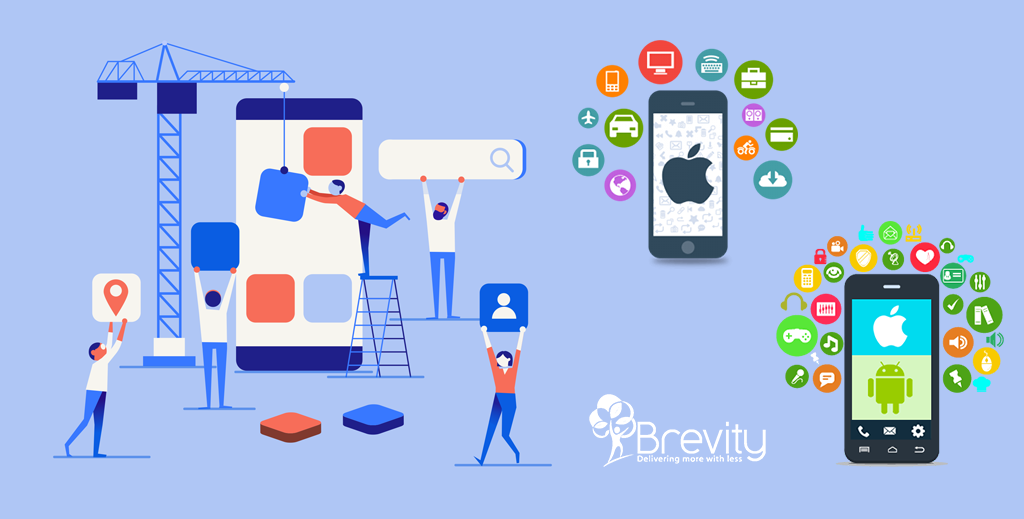
Have a mobile app idea? What Next?
Introduction
Have an awesome idea of a startup mobile app? Well, that’s a great thought!! But what next?? Do you have any plans of how you will materialize it and get your desired app running for real?? If you haven’t thought of that yet then this simple, quick guide might help you to understand what a complete mobile app development process looks like and the key factors you need to take care of to get your mobile app ready to go!
Coming up with an idea is easy but the later part of figuring out what to do next is tough. By the end of this article, you’ll have a clear list of the parameters you need to take into consideration.
Understanding the risk
Although you might be excited to get your business application running, you also need to understand that it involves risks too. This does not mean that we are scaring you, but we just need you to be committed for your app idea. Before starting with any rushy processes, you need to evaluate the risks associated with it otherwise you might end up losing thousands of money and many priceless hours.
Before actually starting off with the app idea, be clear with these things:
- How much are you willing to invest?
- How much time are you ready to commit?
Create a pitch document
Create a document outlining the specifications you want in your app. However, listing all the features at the beginning is impossible. But you can enlist the basic and main features of the application and gradually add others as the development process progresses.
Following are the must-have points you need to include in this document:
Research about your target audience
Do some basic research about your target audience and find out what problem does your mobile application solves?
Find out apps similar to your app idea and analyze them. Note down the things that should be added, changed or removed.
These 2 points will help you to prepare your “Basic Features list”.
Once you are done with this, pen down your imagination of the application in whatever form you like. You can either draw sketches of the screen or list down the links of the other apps and mention design, visual effects, color schemes etc. you liked in them and want it in your app too.
Along with this, also choose the platform you want your app to be developed on – Android, iOS or Windows.
Get an initial estimate
Get an initial quote from the freelancer mobile app developer or the mobile app development company. They will give you a rough estimation of the money and time it will take. This can help you plan your budget and will give you a timeline of the app development process.
Once you have selected the app development company for your app, clarify the specifications again. Obviously, the initial estimation given by the company will change as the development process will move forward. Once everything is finalized a software agreement needs to be signed by both the parties so that the development process can begin.
Get funding
If you don’t have the required budget and you don’t want to give up the idea, you can start finding investors. There are many platforms from where you can search investors and get the required funding:
- Crunchbase
- Gust
- Kicstarter
- Indiegogo and many others.
You can also compare them at https://www.crowdfunding.com/
Wireframing and design
Wireframing is an important stage of the app development process. A wireframe gives a rough idea of how the final product will look and function. It gives an overview of the layout elements and how the users will interact with the app.
After finalizing the wireframe design, its time to get the actual design of your application.
Development & Testing
Once the design has been approved, the development process can be started. It is good practice of testing the app simultaneously at every step of the development.
Name your app
Finally, it’s time to give your application an attractive and catchy name. Describe it beautifully too. Brand your app accordingly and then begin with your marketing campaign.
Support and Updates
After the application has been launched, it will need updates both in terms of design and development to let people get the new interactive design, color theme or any additional functionality which can increase its success. Make sure these updates are implemented and reached to the potential users in a timely manner. Ensure to discuss the terms related to updates and maintenance with the app development company at the beginning only and don’t forget to add them in the software agreement too.
Moreover, provide timely support to your users in case of any queries.
We are now sure that you are clear about how to get your mobile application rolling. If you have any such idea, contact us and we will be happy to convert your idea into reality. Get your quote now!
Related Post


-
F
-
A
-
Q
Start by defining the problem your app will solve, identifying your target users, and listing the main features. You should also decide your preferred platform, budget, and expected timeline before development begins. This gives you a clear starting point when discussing the project with a mobile app development company.
Research your target audience to understand their needs, preferences, and the problems they face. You should also look at similar apps and study their features, design, pricing, and user feedback. This research can help you identify useful features and areas where your app can offer something different.
A mobile app specification document brings the main project requirements into one place. It can include the app’s features, target users, platform, design preferences, and other important details. Having this information ready makes it easier for developers to understand your idea and prepare an initial estimate.
The cost of mobile app development depends on factors such as the number of features, platform, design, integrations, and technical requirements. At Brevity Software Solutions, we can review your app requirements and provide an initial estimate based on the scope and features you need. This can help you understand the expected budget and development timeline before starting the project.
A wireframe provides a basic view of the app’s screens, layout, and navigation before the actual design and development begin. It helps you understand how users will move through the application and where different features will appear. Making changes at this stage is usually easier than changing the structure after development has started.
Testing during development helps identify bugs and usability issues while the application is still being built. Developers can check individual features, screen layouts, integrations, and different devices throughout the process. Finding issues earlier can reduce the amount of rework needed before the final launch.
Look at the company’s previous mobile app projects, technical skills, development process, communication, and understanding of your business requirements. It’s also useful to discuss the estimated cost, timeline, maintenance, and support before starting the project. A clear agreement can help both sides understand the project scope and responsibilities.
Launching the app is only one part of the overall mobile app journey. You may need to release updates, fix bugs, improve features, monitor user feedback, and provide support after launch. Regular improvements can help keep the app useful as user needs and business requirements change.
Want to Scale Your Business? Let’s Meet & Discuss!

CANADA
30 Eglinton Ave W Mississauga, Ontario L5R 3E7

INDIA
3rd floor Purusharth Plaza, Amin Marg, Rajkot, Gujarat. 360002
INDIA
1116, Zion Z1, Sindhu Bhavan Marg, Nr. Maple County Road, Bodakdev, Ahmedabad, Gujarat. 380059
Get a Quote Now
Let's delve into a thorough understanding of your challenges and explore potential solutions together