PHP Development Company
Build Business Applications with Custom PHP Development
Brevity Software Solutions develops custom PHP applications for businesses across different industries. We create business websites, customer portals, enterprise software, eCommerce platforms, SaaS products, and other web applications that support a wide range of business functions.




Why Businesses Use PHP
Creating PHP applications for businesses across different industries
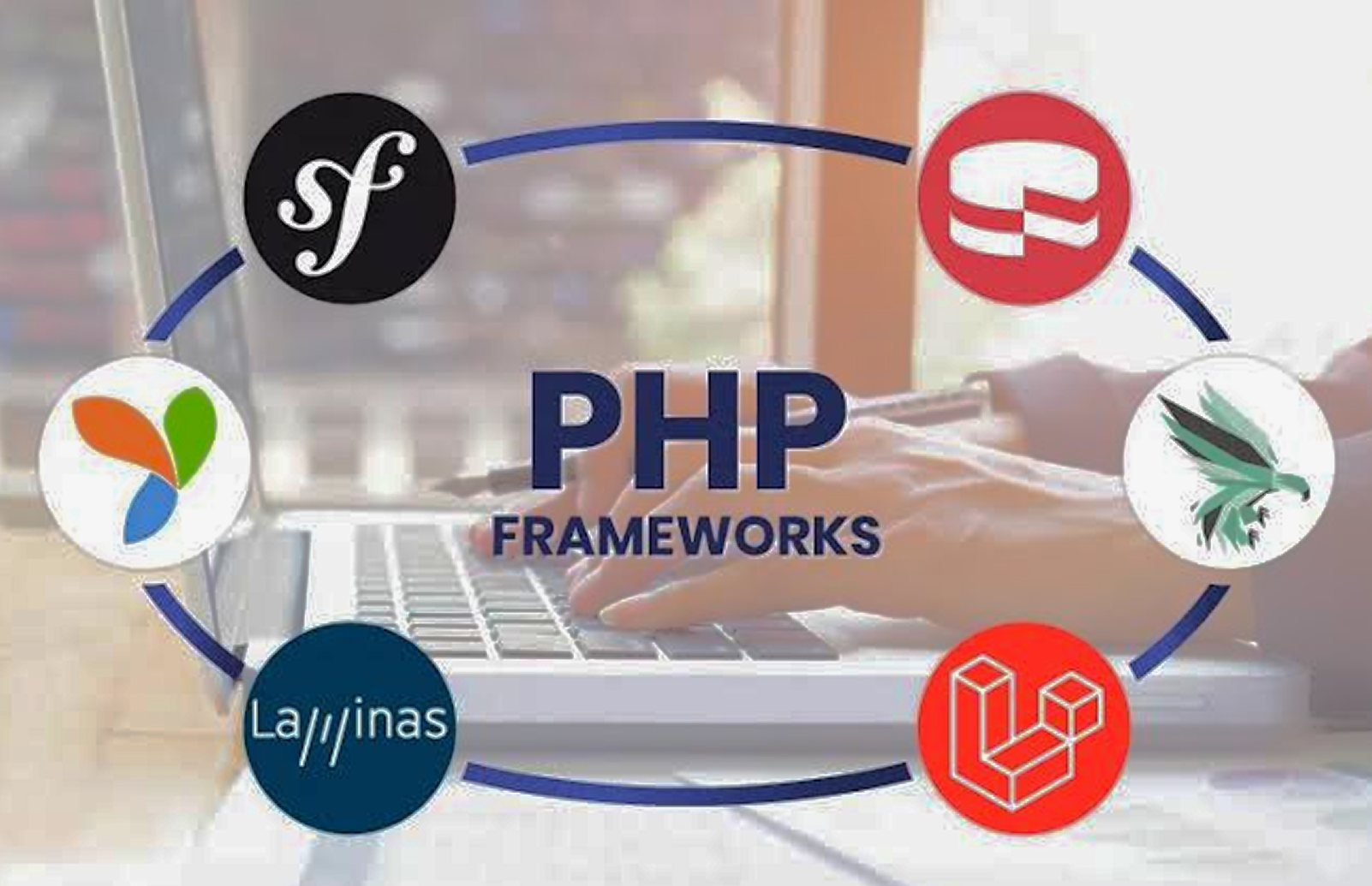
PHP continues to be a popular choice for developing websites and web applications because it can support projects of different sizes and complexity. Businesses use PHP to build customer portals, enterprise software, eCommerce websites, content management systems, booking applications, SaaS platforms, and many other digital solutions. It also works with leading frameworks, databases, cloud platforms, and third-party services, making it suitable for a wide variety of business applications.
Every PHP application is different, with its own features, users, and business purpose. At Brevity Software Solutions, we develop applications after understanding the scope of the project, expected functionality, and integration requirements. Our team focuses on creating well-structured applications with secure development practices, responsive interfaces, and code that is easy to maintain throughout the application’s lifecycle.
Many PHP applications exchange information with CRM software, ERP systems, payment gateways, accounting platforms, cloud services, authentication providers, and other third-party applications. They can also include reporting dashboards, document management, intelligent search, notifications, customer accounts, and administrative tools, depending on the needs of the project.
We Offer a Wide Range of PHP Development Services
Explore our PHP development services for different business applications and industries.
Custom PHP Web Application Development
PHP is widely used for developing custom web applications that support different business activities. Brevity Software Solutions builds customer portals, booking platforms, business management systems, internal applications, online marketplaces, and custom websites using PHP. Every application is planned according to its features, user roles, and integrations, with careful attention given to usability, security, and long-term maintenance. Our developers work closely with clients throughout the project to deliver applications that match the agreed scope and business expectations.
PHP Enterprise Application Development
Enterprise applications often bring together business information, user access, approvals, reporting, and department-specific activities within one system. PHP provides the flexibility to develop enterprise software that supports these functions while connecting different areas of the business. Brevity Software Solutions develops enterprise applications that include role-based access, reporting dashboards, business modules, and integration with existing software. Each application is planned according to the way information is managed across the organization.
PHP SaaS Application Development
PHP is a suitable technology for developing subscription-based software delivered through the web. Our developers create SaaS applications with secure authentication, customer accounts, subscription management, billing integration, administrative dashboards, and account management features. Additional modules, integrations, and services can be introduced as the platform expands, allowing businesses to continue adding new functionality over time. Every SaaS application is developed with attention to performance, security, and ease of administration.
PHP eCommerce Development
PHP supports eCommerce applications with features that help businesses manage products, customers, payments, and orders within one platform. Brevity Software Solutions develops online stores with product catalog management, shopping carts, secure payment processing, inventory tracking, customer accounts, promotions, and shipping integration. We also connect eCommerce applications with payment gateways, ERP software, CRM platforms, and other business systems to keep information synchronized across different platforms.
API Integration for PHP Applications
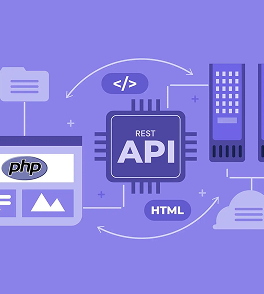
Many businesses use different software applications to manage sales, finance, customer information, communication, and other daily activities. API integration allows these systems to exchange information automatically through secure connections. Brevity Software Solutions develops PHP integrations for CRM software, ERP systems, payment gateways, cloud services, accounting platforms, authentication providers, and other third-party applications. Every integration is planned according to the systems involved and the information being shared between them.
PHP Migration Services
Moving an existing website or web application to PHP involves careful planning to preserve important functionality and business data. Brevity Software Solutions manages every stage of the migration process, including application assessment, code migration, database migration, testing, deployment, and post-launch support. We also review existing integrations and application features during migration to help maintain consistent performance after the transition. Each migration project is carried out with close attention to quality and application stability.
AI Integration for PHP Applications
PHP applications can include AI capabilities that support different business functions and user interactions. Brevity Software Solutions integrates conversational assistants, intelligent search, document processing, recommendations, content generation, reporting tools, and other AI features based on the purpose of the application. Every implementation is carefully planned so new functionality works smoothly with the existing application, connected systems, and user experience. AI features are selected according to the scope of the project and the practical use of the application.
PHP Maintenance & Support
Regular maintenance helps keep PHP applications secure, compatible, and ready for ongoing updates. Brevity Software Solutions provides maintenance services that include framework updates, bug fixes, feature enhancements, security reviews, compatibility checks, and technical support after deployment. Our team also monitors application performance, resolves reported issues, and carries out improvements as new features are introduced. Continuous maintenance helps keep the application stable while supporting future updates and technology changes.
Let's pool our skills to make something truly outstanding
Please feel free to book your free consultation now
Other PHP Development Solutions We Provide
Explore additional PHP development services for business websites, web applications, customer portals, and industry-specific software.
Content management systems help teams manage website content without working directly with code. Brevity Software Solutions builds PHP CMS platforms that support page editing, media handling, user roles, and structured content management. Existing CMS platforms can also be customized based on project requirements.
- Custom PHP CMS platforms for managing structured website content
- Simple page editing tools for updating content without technical steps
- Role-based access for editors, admins, and content reviewers
- Media management for images, videos, and downloadable files
- Multi-language content support for different regions and audiences
- Custom content structures based on website layout and requirements
- Migration of existing website content into CMS platforms
- Ongoing CMS updates and support after deployment
CRM systems store customer details, communication records, and sales activity in one place. These applications are designed around how a business manages leads, customers, and follow-ups. They can also be connected with email tools, websites, and internal platforms.
- Centralized customer records with interaction history tracking
- Lead tracking system with stages and follow-up records
- Sales pipeline tracking across opportunities and deals
- Task and reminder system for daily customer activities
- Communication logs for emails, calls, and meetings
- Reporting dashboards for sales and customer activity
- Integration with email tools, websites, and external systems
- Ongoing updates and feature additions after deployment
ERP systems connect multiple business functions in a single application. These solutions are used for managing finance, inventory, sales, purchasing, HR, and reporting within one system. Each module is developed based on how the organization handles its internal operations.
- Inventory tracking with stock updates and movement records
- Purchase and sales management with order tracking
- Financial modules for billing, expenses, and accounting records
- HR module for employee data, attendance, and payroll
- Reporting dashboards showing business activity and data
- Role-based access for different departments and users
- Integration with accounting, CRM, and inventory tools
- Ongoing updates and feature updates after deployment
Portals provide secure access to documents, services, and business information through a web interface. These systems are built for customers, employees, vendors, or partners based on how each group interacts with the application.
- Secure login for customers, employees, vendors, or partners
- Dashboards showing relevant updates and account information
- Document sharing for files, reports, and internal data
- User profile management with editable details
- Notifications for messages, updates, and alerts
- Communication features between users and internal teams
- Access rules controlling what each user can view
- Ongoing support after portal launch
APIs allow different systems to share data in a structured way. PHP APIs are used to connect business applications with external tools and internal platforms while keeping data flow consistent across systems.
- REST API development for web and mobile applications
- Secure data exchange between connected systems
- Integration with payment gateways, CRM, and ERP systems
- Authentication systems for secure access control
- Cloud service integration for data storage and usage
- Third-party API connections for business tools
- API testing and documentation for developers
- Maintenance and version updates after deployment
PHP consulting helps teams plan how an application should be built before development starts. This includes reviewing requirements, suggesting approaches, and defining the structure of the system.
- Application planning based on business requirements
- Technology selection for new PHP projects
- Review of existing applications and code structure
- Architecture planning for new systems
- Migration planning from older applications
- Feature planning and prioritization before development
- Project roadmap preparation for development stages
- Technical guidance during decision-making
Testing is carried out during development to review how the application behaves across features and devices. It covers functionality, usability, security, and compatibility before deployment.
- Functional testing for all application features
- Browser testing across different web platforms
- Mobile and tablet testing for responsive behavior
- Security testing for access and data protection
- Interface testing for layout and usability checks
- Regression testing after updates or changes
- User acceptance testing before release
- Continuous testing during development stages
Some PHP applications need updates after launch based on new requirements or system changes. This work includes updating code, adjusting structure, upgrading framework versions, and improving how different parts of the application work together.
Database structure is reviewed where needed, integrations are updated, and new features can be added. Interfaces can also be adjusted for usability, and slower parts of the application are reviewed for better performance.
- Upgrading older PHP applications to newer framework versions
- Improving code structure for long-term maintenance
- Updating user interface for better usability
- Improving application response time
- Reviewing and adjusting security practices
- Adding new features based on updated needs
- Improving database structure for data handling
- Ongoing support after updates and changes
Hassle-free Way to Begin
We aim to maintain simplicity, directness and promptness.
1
Discovery Call
Lets discuss the problem. Our team will learn more about the needs, challenges and goals of the prospects.
2
Solutions & Budget
Our team will get back to you with suitable solutions along with budget. Project plan with timeline will be provided to track the project.
3
Engagement
A dedicated Team will be assigned to the project. Team will continuously engaged with prospect until the project is launched.
4
Maintenance
Our after launch support service will help customers to run their business smoothly. We remain standby for any upfront issues.

Key Benefits of PHP Development for Business Applications
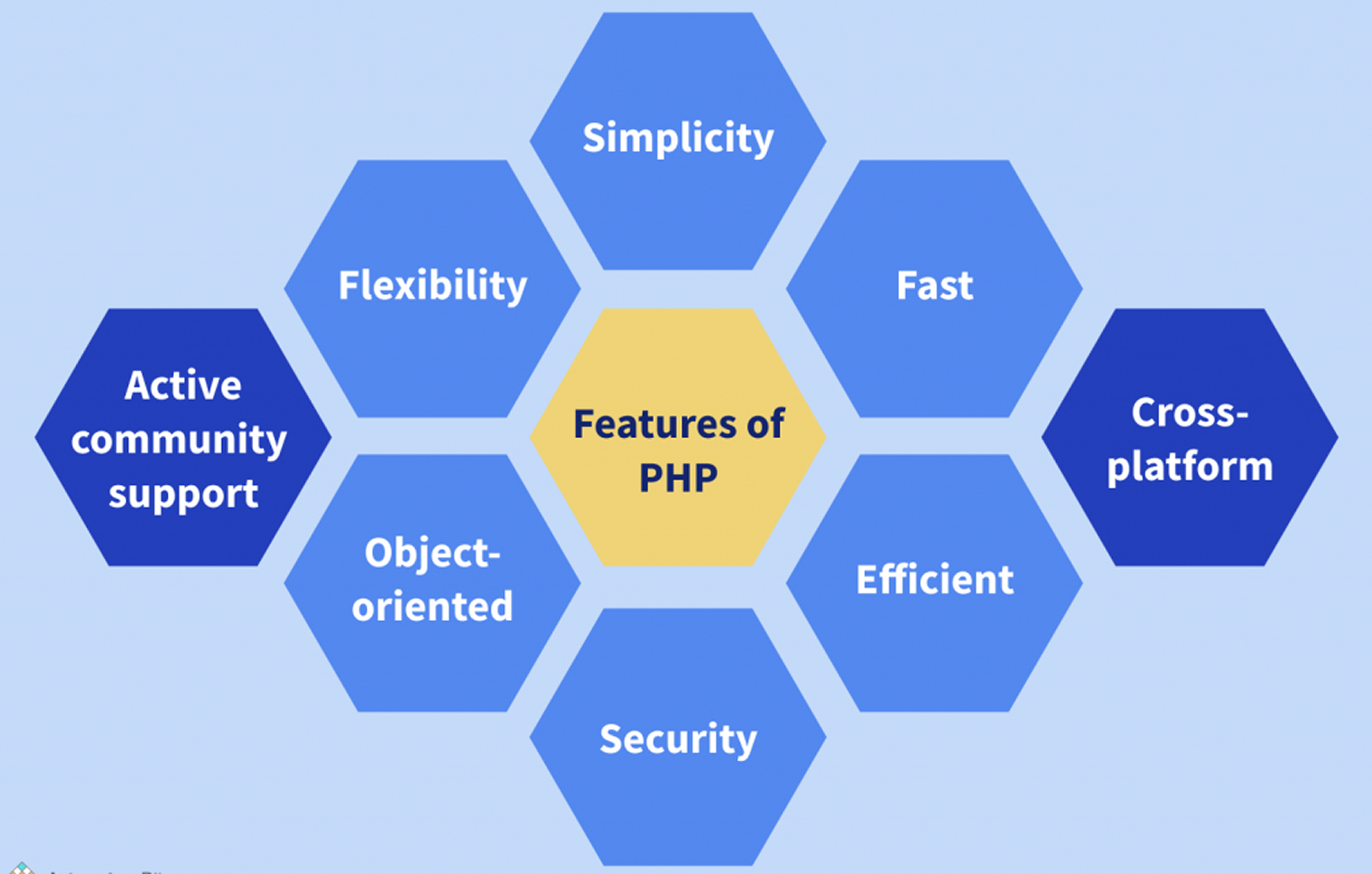
Fast Application Performance
PHP supports web applications that respond quickly across different devices and browsers. This helps users interact smoothly with websites, portals, and business systems.
Wide Range of Application Types
PHP can be used for business websites, SaaS platforms, eCommerce systems, enterprise software, dashboards, and internal tools, depending on project requirements.
Easy System Integration
PHP applications can connect with CRM systems, ERP platforms, payment gateways, cloud services, and other business tools through APIs.
Flexible Application Structure
Applications can be built with different modules and features based on how the business operates, allowing changes when new requirements come in.
Multi Device Access
PHP applications work across desktops, tablets, and mobile devices, giving users access to systems from different platforms.
Organized Code Structure
A structured development approach helps keep the application easy to maintain, update, and extend when needed.
Support for Business Expansion
Applications can be updated with new features, users, and modules as the business grows and requirements increase.
Best Practices Followed by Brevity
How does Brevity assist its customers in developing top-notch software solutions?
1
Discovery & Requirement Analysis
Every successful project starts with a clear understanding of business goals. Our team at Brevity Software Solutions works closely with stakeholders to gather requirements, identify challenges, define objectives, and establish a roadmap for development.
2
Clear Project Documentation
Well-organized documentation keeps everyone aligned throughout the project lifecycle. It supports communication, collaboration, decision-making, and knowledge sharing across teams and stakeholders.
3
User-Centric UX/UI Design
Creating a positive user experience is a key part of our process. Our UX/UI specialists design intuitive, visually appealing, and accessible interfaces that help users interact with applications effortlessly.
4
Development Best Practices
Brevity Software Solutions follows industry-recognized coding standards and development methodologies to create secure, scalable, maintainable, and high-performing software solutions.
5
Structured Project Execution
A defined development process helps keep projects organized and moving forward. Through regular communication, collaboration, and adaptability, we align project activities with business objectives and evolving requirements.
6
Rigorous Quality Testing
Quality is integrated into every stage of development. By combining manual and automated testing, we evaluate functionality, performance, security, and reliability before software is released.
7
Ongoing Maintenance & Support
Software continues to evolve after launch. Brevity Software Solutions provides ongoing support, updates, monitoring, and issue resolution to help applications perform reliably and adapt to changing business needs.
8
Transparent Communication
Strong partnerships are built on openness and trust. We maintain clear communication, provide regular progress updates, set realistic expectations, and encourage feedback throughout the engagement.
9
Long-Term Client Partnerships
We value lasting relationships and focus on delivering consistent value. By understanding our clients' evolving needs and sharing insights into emerging technologies, we help them stay competitive and prepared for future growth.

-
F
-
A
-
Q
PHP is used for building websites and web applications that run on the server side. It is commonly used for business websites, customer portals, eCommerce platforms, SaaS applications, dashboards, and enterprise systems. It supports both simple websites and more complex applications that handle users, data, and business operations.
PHP can be used to develop a wide range of applications based on business needs. This includes CRM systems, ERP platforms, booking systems, content management systems, online stores, reporting dashboards, and custom web applications. It is flexible enough to support both small projects and large-scale business systems.
Yes. PHP applications can be connected with other software using APIs. This allows integration with CRM systems, ERP platforms, payment gateways, cloud services, accounting tools, email systems, and other third-party applications. These integrations help different systems share and manage data in a connected way.
Yes. PHP is commonly used for building large-scale applications that manage multiple users, business data, transactions, and workflows. It supports modular development, which allows different parts of an application to be built and managed separately while working together as a single system.
Yes. Existing websites and applications can be migrated to PHP by transferring code, database structure, and core features. The process depends on the current system, but it usually includes analysis, migration planning, development adjustments, testing, and deployment to ensure everything works correctly after the move.
Yes. PHP applications often require updates after deployment to support new features, security improvements, compatibility changes, and performance adjustments. Regular updates also help keep the application aligned with evolving business needs and connected systems.
The timeline depends on the size of the application, the number of features, integrations required, and overall complexity. After reviewing the project requirements, a clear development plan and estimated timeline are shared before work begins.
You can start by sharing your project idea, goals, and basic requirements. The next step involves understanding the scope, defining features, planning the structure, and preparing a development approach that matches the project needs.
Want to Scale Your Business? Let’s Meet & Discuss!

CANADA
30 Eglinton Ave W Mississauga, Ontario L5R 3E7

INDIA
3rd floor Purusharth Plaza, Amin Marg, Rajkot, Gujarat. 360002
INDIA
1116, Zion Z1, Sindhu Bhavan Marg, Nr. Maple County Road, Bodakdev, Ahmedabad, Gujarat. 380059
Get a Quote Now
Let's delve into a thorough understanding of your challenges and explore potential solutions together